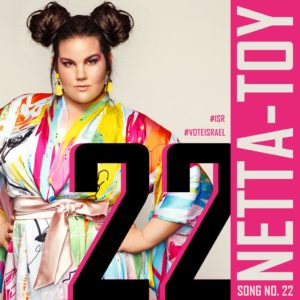
Bom dia, Oneuropeans! Tudo bem? I may be back in the UK but my heart is still in Lisbon. As the dust settles on another Eurovision, and the Eurovision branding comes down across Lisbon, we say congratulations to Netta and Israel for their win in one of the most thrilling voting sequences we’ve seen in years. Have you caught your breath yet?


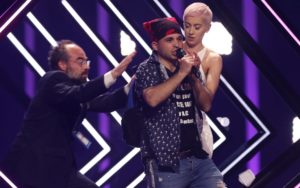
With a two-week in-the-bubble build up and all the side-shows of promotional activity it’s easy to forget that what we’re all there for is a Saturday night entertainment show, and boy did this one deliver. From the drama of the appalling stage invasion during the United Kingdom’s performance to the drama of the voting Lisbon 2018 was one hell of a ride.
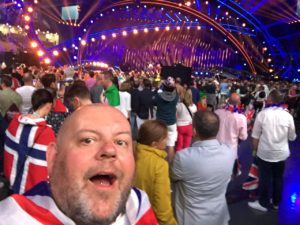
Once we were all in to the arena, and once we’d all managed to brave the astonishing queues for a beer, the atmosphere was unbelievable. The reaction to SuRie, even before the incident, was remarkable. I don’t think I’ve ever experienced such an overwhelming reaction to a song which, to be honest, few seemed to rate. It received by far the biggest audience response, clapping and singing along almost from the start. It was so unexpected that I missed the protester, being so consumed by what was being given back from the crowd.

That incredible atmosphere carried into the voting sequence where it felt like anything could happen. I really rated Austria, but never expected it to lead the jury vote at the half-way stage. Sweden’s low televote brought back a moment reminiscent of Eurovisions of old, where with a full read-out of the points there’d be a collective gasp when a country having just scored 12 was awarded just 1 or 2 points by the next jury; the new voting system continues to deliver to the viewer, and I await the geeky analysis of the new jury weighting from those with a better head for these things than me, with gleeful anticipation.
With Lisbon as my favourite European destination, Eurovision there promised to be special. From the moment Portugal won I was struck by how many friends who have never been more than casual ‘Saturday-nighters’ were expressing a desire to attend and asking about getting tickets. It was no surprise to me when the scramble for tickets became something of a bun fight. I struggled myself, only securing a ticket for the final a week or so before it happened. The application via the Fan Clubs was unprecedented, with, of course, many Portuguese nationals longing to go to a show on soil for the first time.

It’s fair to say the city felt at times like it didn’t know what had hit them. This has left a bitter taste in many mouths, which I find a shame, as the city is usually so charming.
We now look ahead to Eurovision 2019 in Israel. If the EBU were thankful to get out of the local politics of Ukraine and Russia, they now find themselves faced with a task of even greater global significance, hosting in a country which today attracts very different headlines to those celebrating Netta’s win.
The questions had begun before Netta had even reprised her winning song. “Next year in Jerusalem” is a familiar saying amongst Jewish communities, and not always one to be taken literally, but any intentions to bring the Contest there are inherently controversial, and even more so following events within just a few days of their victory.
My tendency is to view Eurovision in the spirit it was conceived, one of bringing countries, and crucially their people, together in cultural union. It’s not the mouthpiece of any government, though of course I’m not naïve to the fact that, at times, it can feel that way. The Israel-Palestinian situation is far bigger than any TV show and is neither triggered nor resolved through Eurovision. I’m rarely a fan of boycotts over any political issue; they often feel like insignificant, short-term responses with little to add to any long-term resolution, so whilst me might see a ‘pruning’ of attendance – by countries and by fans – next year I don’t anticipate Eurovision to become a large-scale protest. In fact, we’ve seen in SuRie’s performance just how unwelcome protest at Eurovision is.
The EBU will face many difficult discussions over the coming weeks and months, and with security even more in mind after the UK incident, we’ll see where we finally end up once the requirements for participant and audience safety have been fully discussed. For me, the Contest itself shouldn’t be the place for campaigning; that space is the domain for NGOs and Human Rights organisations. Amnesty International successfully used Eurovision as a prism to highlight Azerbaijan’s Government’s record, and there will be plenty of opportunity for those who wish to campaign to do so via these channels.

I must close with a roll call of thanks: to that Phil, for the privilege of being asked to write for this site; to the BBC for granting us accreditation to do so; to Lisbon, and all its wonderful volunteers who made this Contest so enjoyable; to all the friends I enjoyed this journey with; and to you for reading. Thank you.
So, next year in Jerusa… well, let’s hope it’s Tel Aviv…
Monty x